Welcome to the Name That Plant Contest sponsored by the Georgia Botanical Society
Click here to see the Plants used in 2021, 2022, 2023 and the Contest Winners!
The person who is first, each month, to get all plants correct will receive either a patch or window decal. The person with the most correct answers for the year will win a prize, which may include, but is not limited to, a window decal, patch, a free one-year Georgia Botanical Society Membership, or other prize.
Rules:
- Only one guess per person will be allowed.
- Only scientific names will be accepted (no common names).
- Older synonyms will be accepted.
Note: Yes, you can use books, the internet, etc., just please keep this an individual contest, no sharing of answers. Remember, only scientific names will be accepted, no common names. Good luck on your guesses and hope you enjoy this month’s plants!
You must have your answers in by midnight, October 31.
Send your guesses to Richard Ware at:
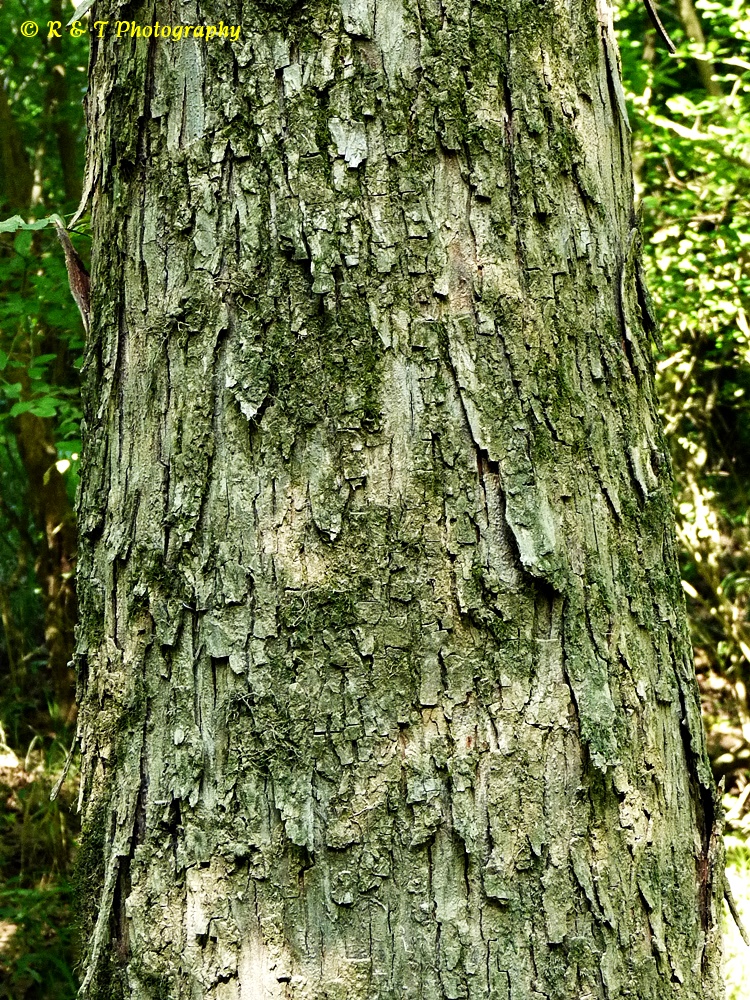
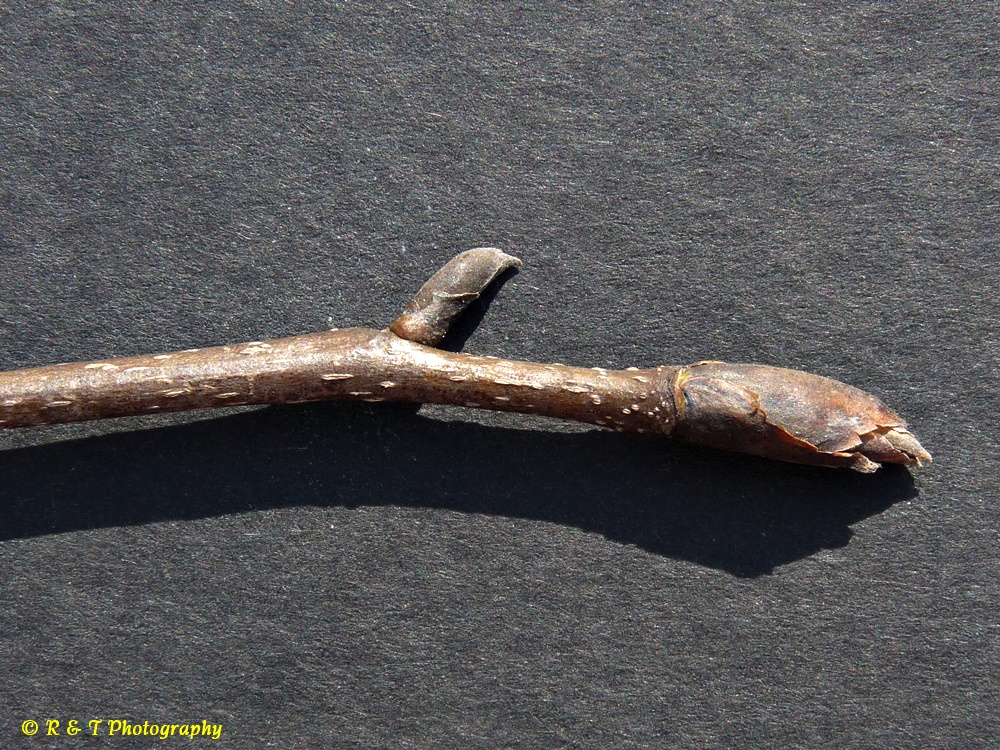
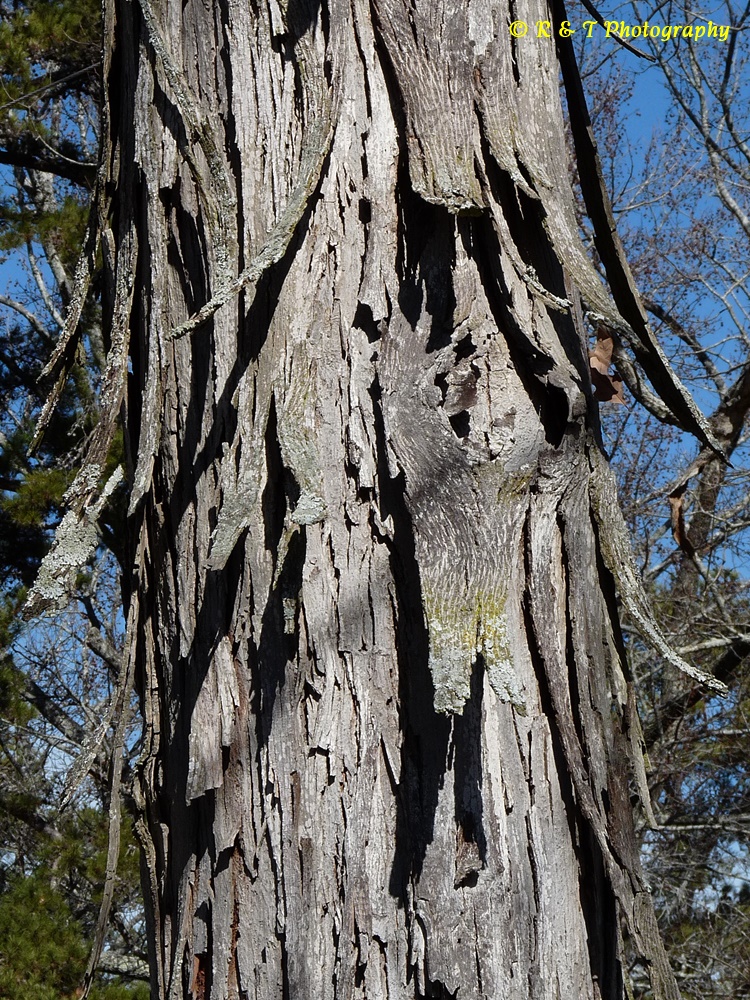
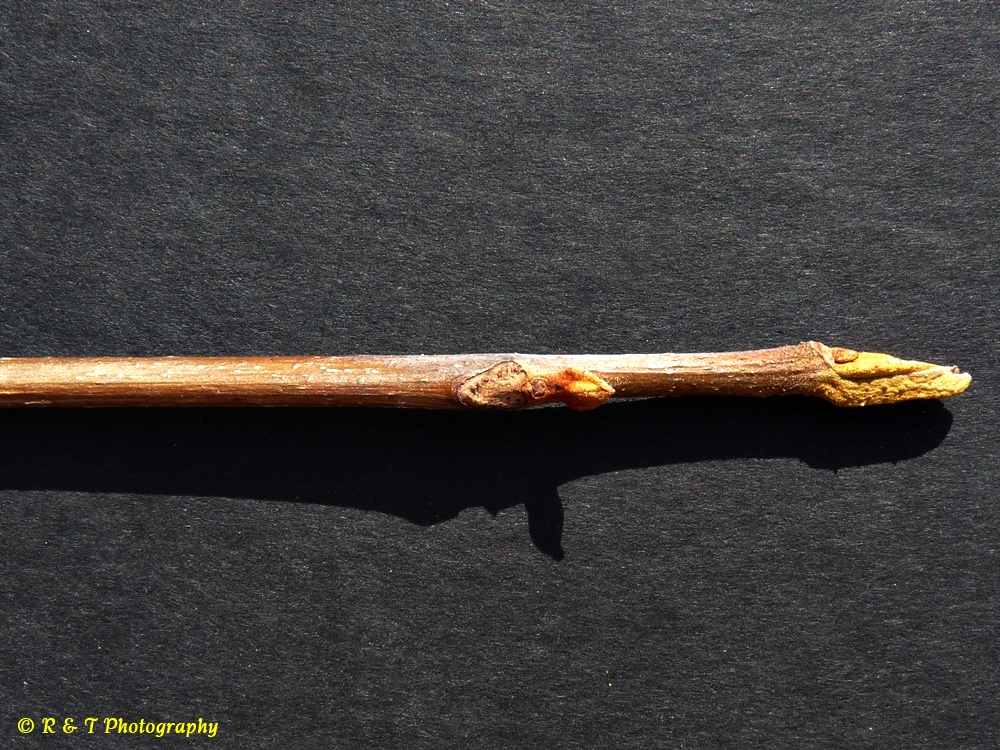
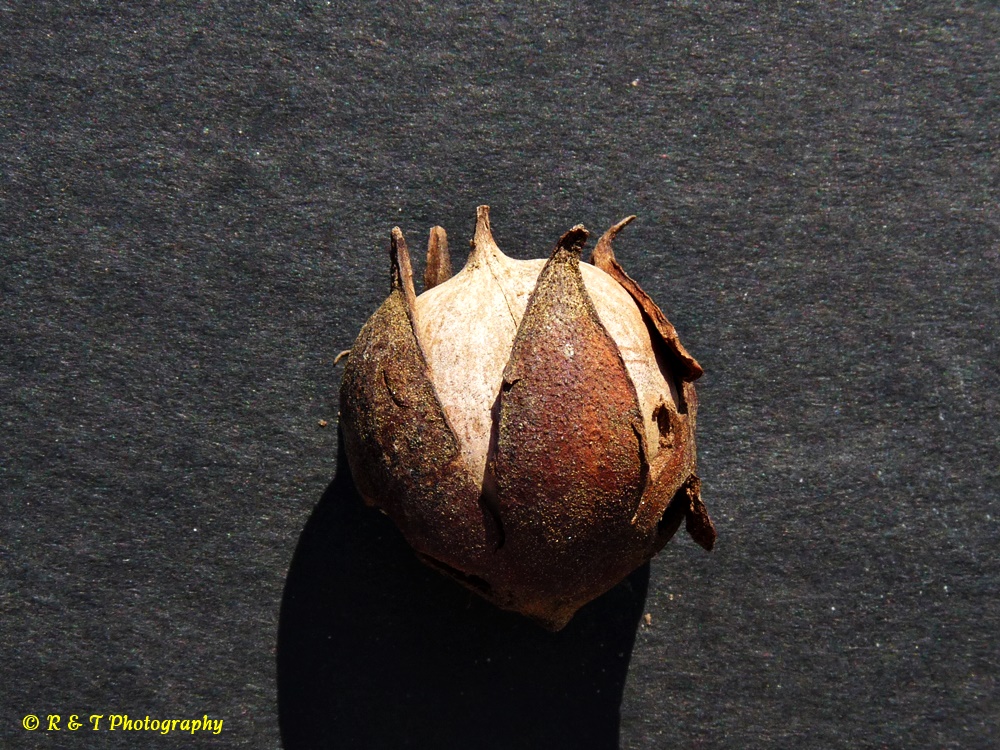
Click on the photos below for larger versions:
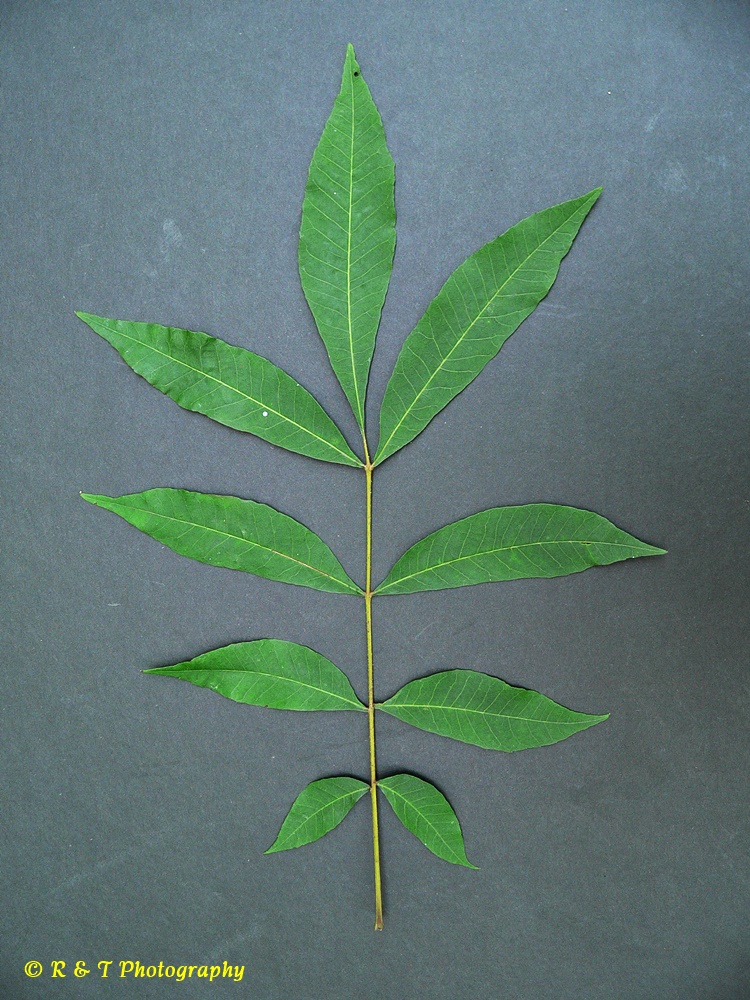
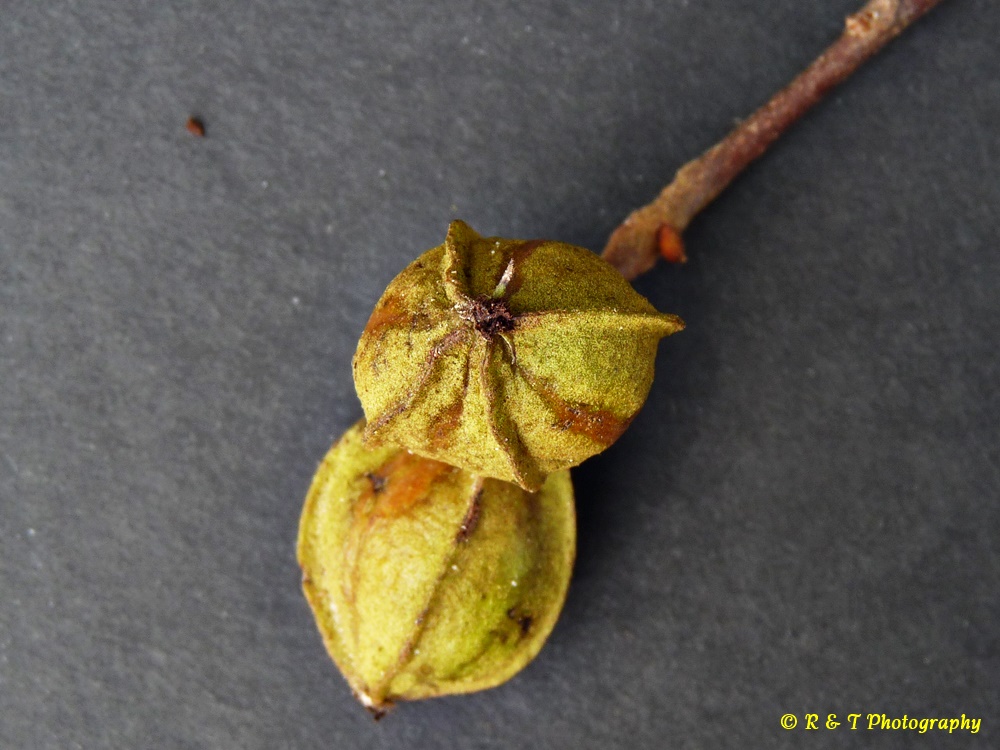
|
Plant #1 (identify to species) —Habitat: Swamp forests, where flooded during the winter months.
|
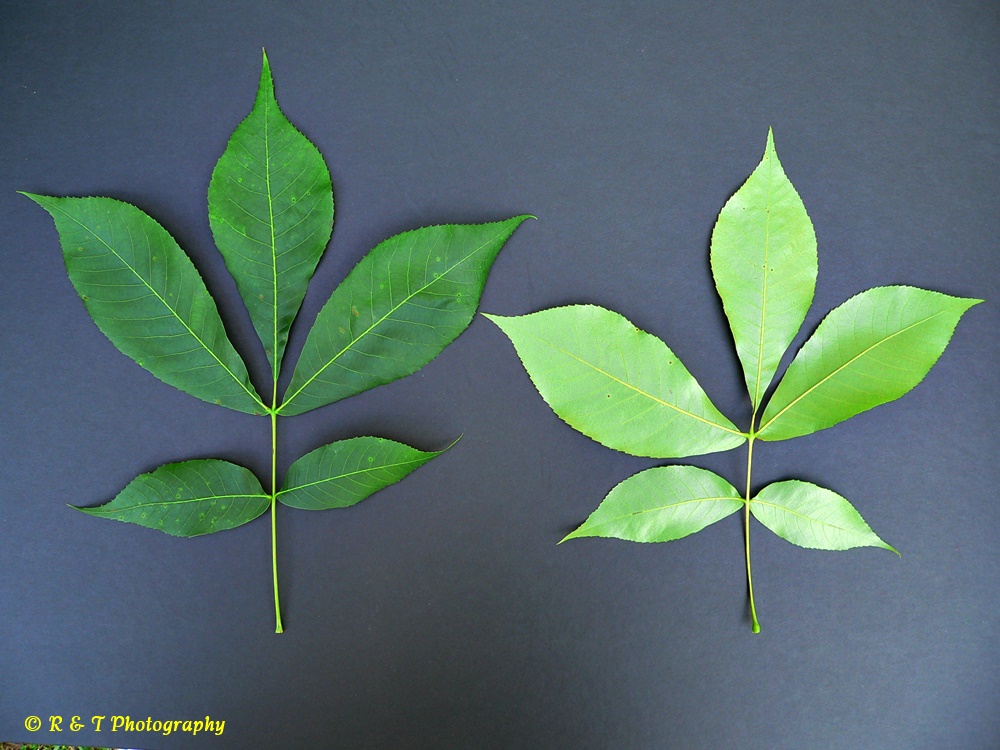
|
Plant #2 (identify to species) — Habitat: Upland flats, less typically on slopes and bottomlands.
|
|
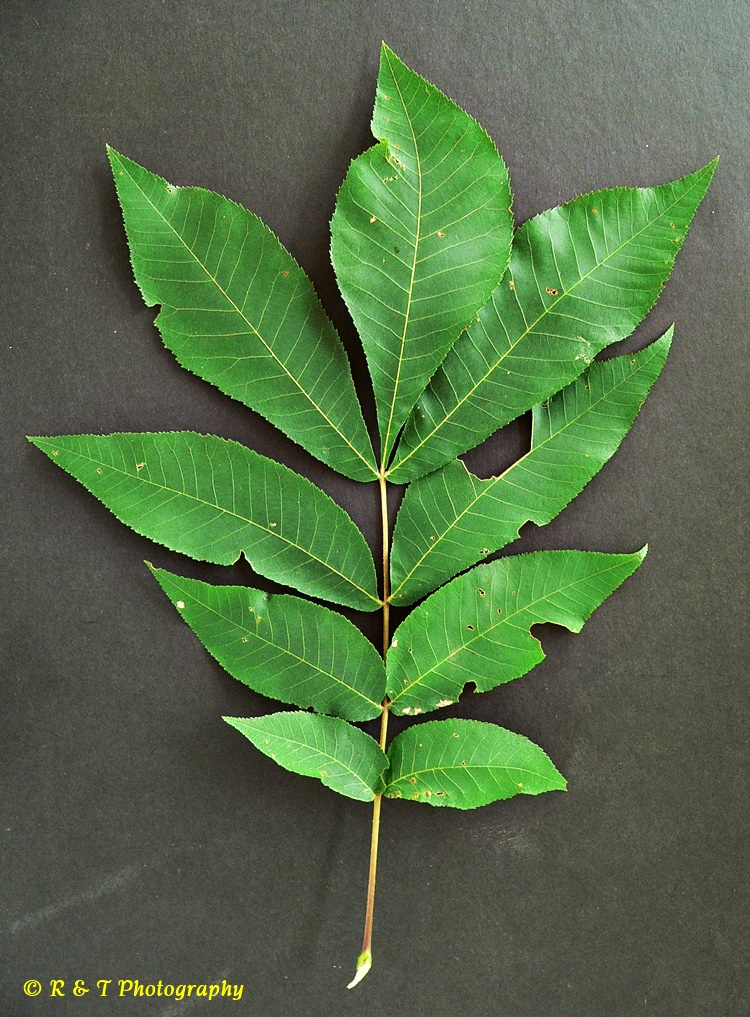
Plant #3 (identify to species) — Habitat: Forests and woodlands, especially in rich, moist alluvial or slope forests.
|